Why Sustainable Design is a Smart Investment for Small Developers
Sustainable design isn’t just for “eco homes”—it’s a strategic win for small developers.
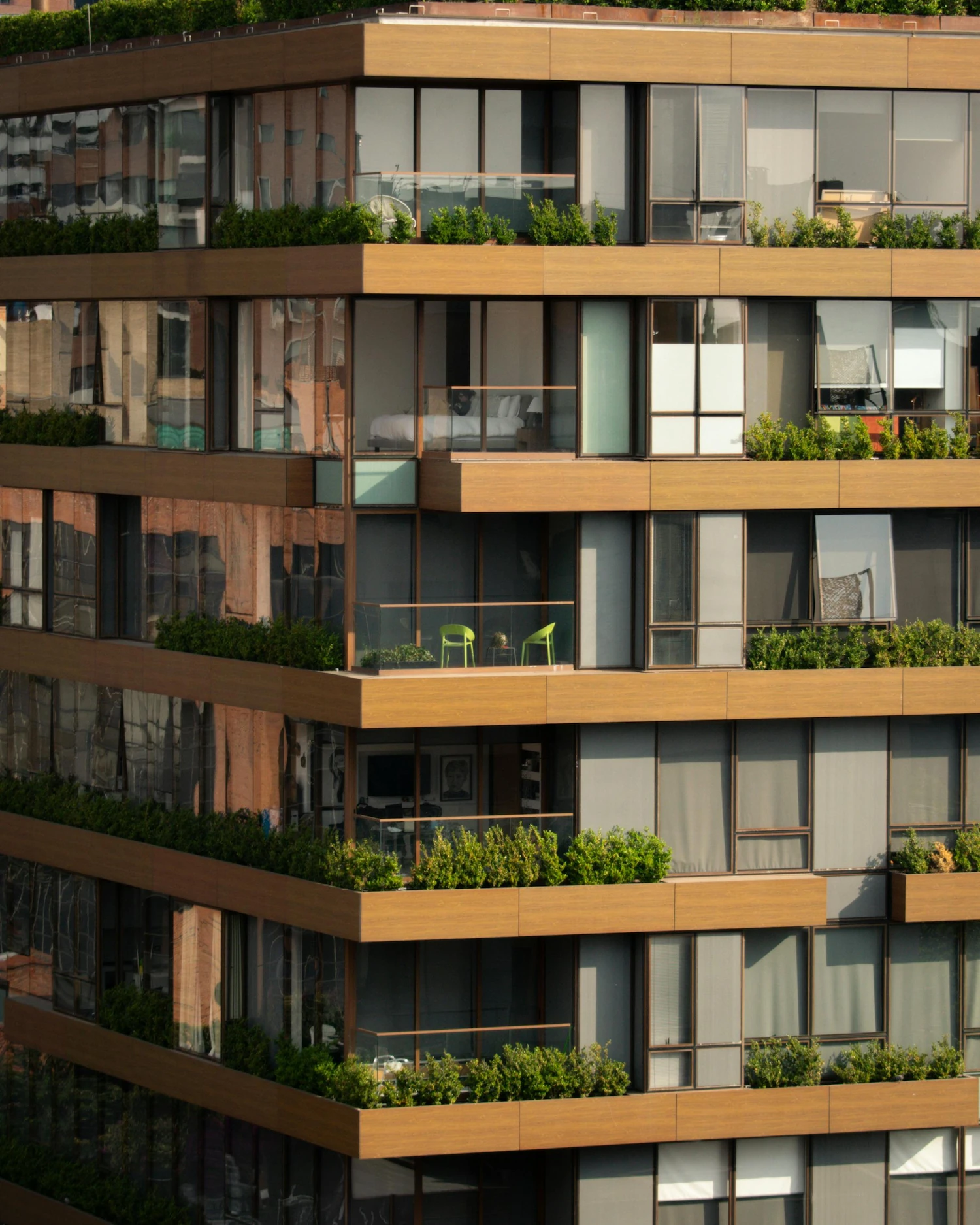
If you're a small housing developer, you might assume sustainable design is an expensive"nice to have," not a practical part of your development strategy. But the truth is, sustainability is rapidly becoming a smart investment—not just a sunk cost. Here's why:
Higher Sales Value
Buyers are more energy-conscious than ever. Homes that promise lower energy bills and better comfort levels are not just easier to sell—they often sell for more. A 2023 Censuswide survey found that 25% of home buyers would be willing to pay £15,000 to £25,000 more for a green home.
Rightmove also conducted research highlighting the value increase in properties based on their EPC rating. They discovered that the price difference between an F-rated property and a C-rated property was £55,000 in 2023.
Features like airtightness, MVHR, quality glazing, and good insulation are performance benefits that buyers understand. They’re increasingly becoming expectations, not luxuries.
Smarter Builds Mean Fewer Snags
Designing homes with sustainability in mind—especially if you're drawing from Passive House principles—forces better thinking up front. That usually means fewer on-site surprises, tighter quality control, and reduced snagging.
Further to this, the extra requirements for on-site supervision and quality assurance can run up to £80per sq/m for a Passive House. Whilst this is a significant increase on standard homes, this leads to a much higher-quality build.
When margins are tight for developers and timelines matter, that’s a win for everyone.
Planning Leverage
Local authorities are under pressure to support sustainable, resilient development. Submitting schemes that clearly exceed Part L, reduce operational energy, or support biodiversity can tip the scales in your favour.
The government’s new “Healthy Home Standard” advocates for many of the principles associated with passive and sustainable housing, helping support local planning and sustainability goals.
In some regions, PassiveHouse schemes have bypassed delays that held up comparable conventional developments.
Funding Boost for SAP 85+
Some lenders and investment funds are now offering preferential rates or simplified lending terms for schemes with SAP ratings of 85+ (roughly EPC A-rated).
Developers have also reported better bridging finance terms where whole sites hit SAP 85+.
Green mortgage products for buyers often depend on the EPC rating—making homes easier to finance and faster to sell. For example, Barclays offer preferential rates on houses that score (or are planned to score) more than 81 on an EPC rating, via their green home mortgage.
Some smaller banks and community lenders are actively seeking out "green pipeline" projects to hit internal ESG targets.
Future Proofing Your Development
A home that just scrapes compliance in 2025 will feel outdated by 2030.
By integrating low-energy design now, you're not just hitting today’s targets—you're reducing long-term risk and building homes that will still be attractive (and affordable to run) in 10 or 20 years.
The UK government’s research conducted between 2017 and 2022 looked at the viability of building homes fit for 2050 now. A lot of this research aligns with Passive House practices.
Sustainable design doesn’t need to be all or nothing.
Even modest steps—good orientation, better windows, thoughtful detailing—can make a meaningful difference to performance, cost, and marketability.
If you're a small developer or self-builder wondering how sustainability can work on your site (without killing your budget), we’d love to talk.
Let’s make sustainable housing your competitive advantage.
This blog has been written by our in-house sustainable housing expert and certified Passive House Designer, Jenny Booth.


